Materials
What we use and why
Every material in a Gestalt garden is chosen for how it ages, how it feels, and how it performs in Austin's climate. Nothing is here because it's popular.
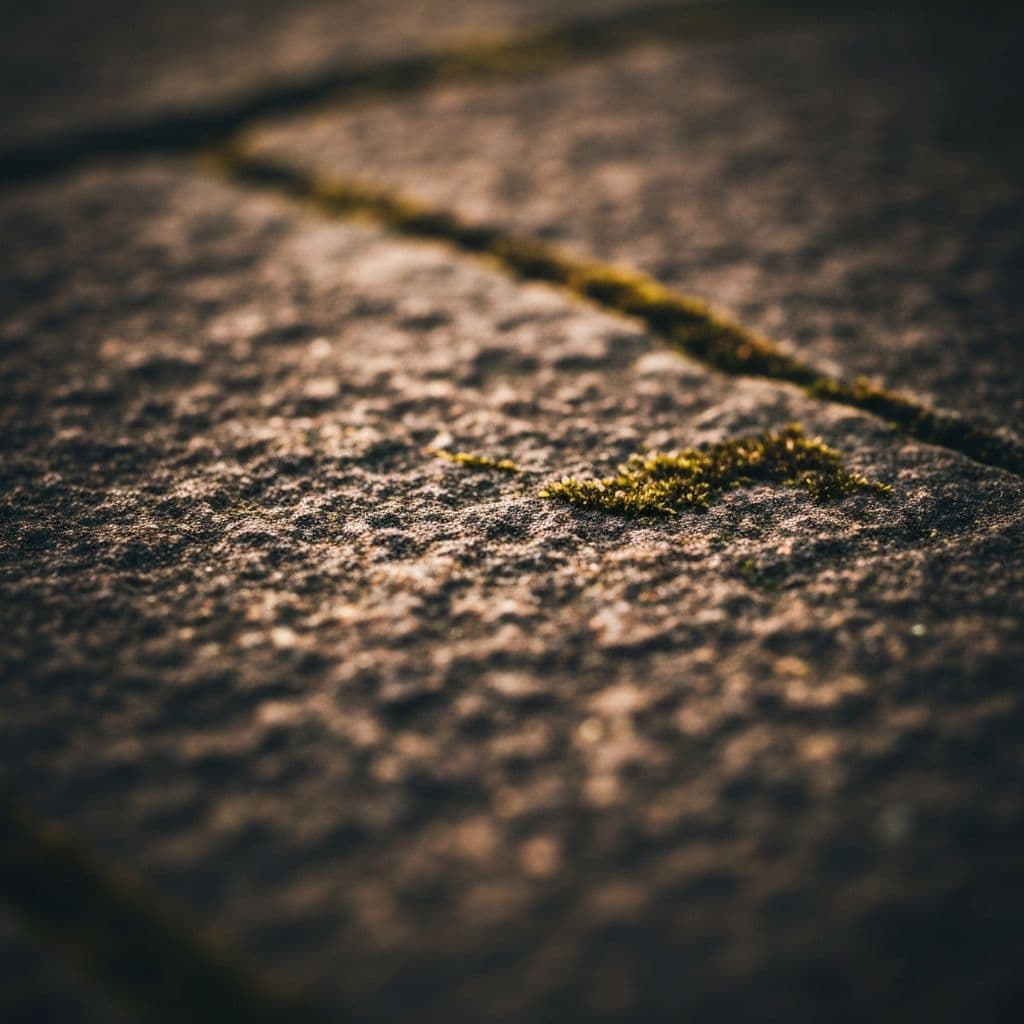
Stone
Natural aging over synthetic perfection
We source stone that has already lived a life. Weathered limestone, river-tumbled basalt, and hand-cut flagstone that develops character with every season. In Austin's alkaline soil and intense sun, natural stone doesn't just hold up -- it gets better.
- Locally sourced Texas limestone for heat tolerance
- Natural patina that deepens with age
- No sealants that create artificial sheen
- Each stone placed by hand, never machine-cut to fit
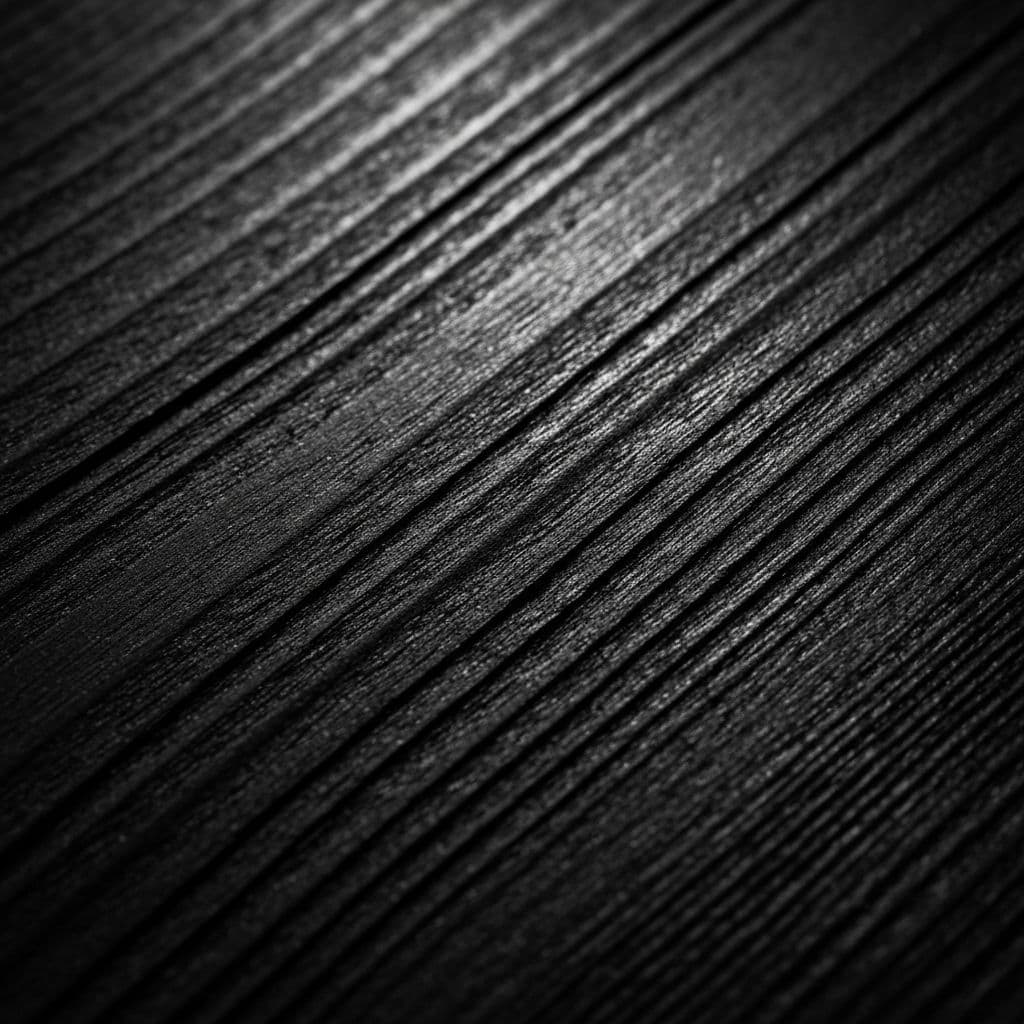
Wood
Charred for permanence, not trend
Shou sugi ban -- the Japanese technique of charring cedar -- creates wood that resists rot, insects, and UV without chemicals. The deep black surface is not decorative; it's functional armor. In Austin's humidity swings, this matters.
- Shou sugi ban (charred cedar) for natural preservation
- Reclaimed hardwoods when structurally sound
- No pressure-treated lumber in living spaces
- Finished with natural oils, never polyurethane
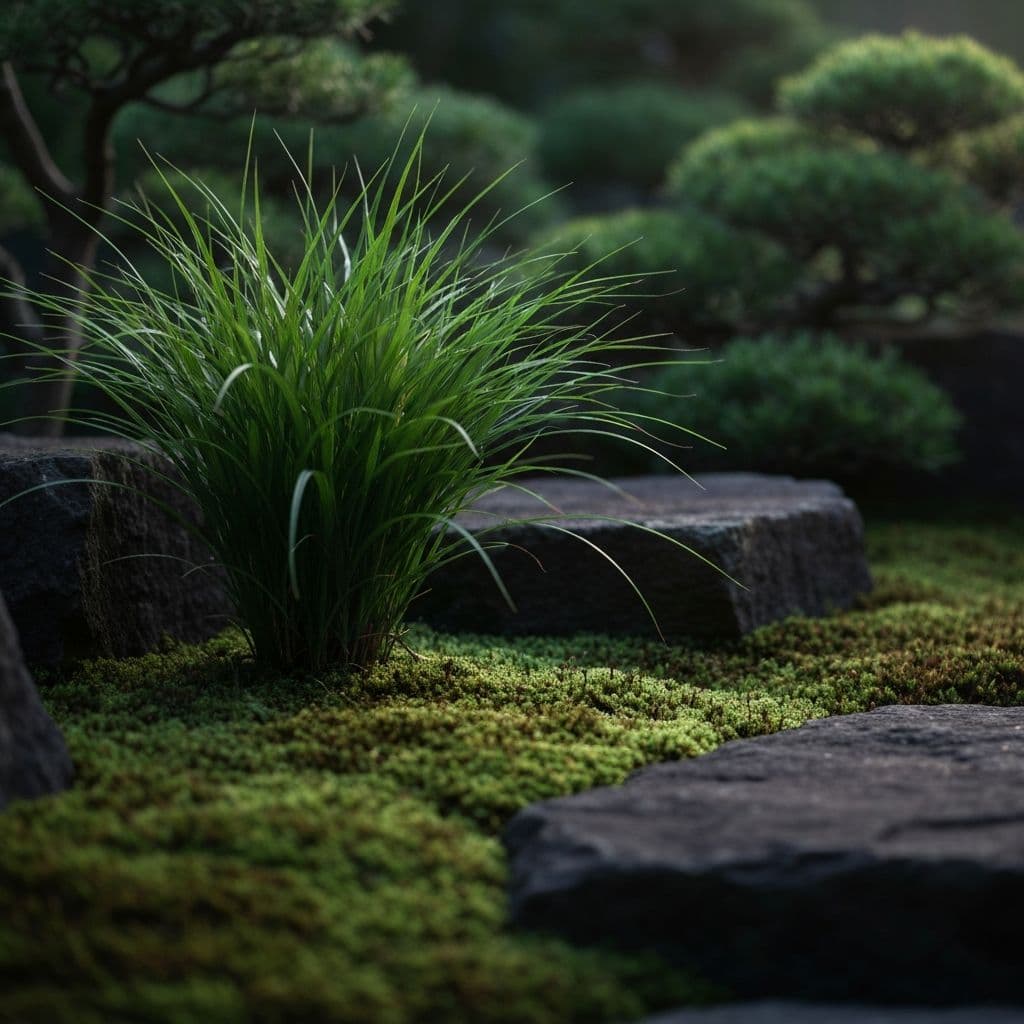
Plants
Restraint over variety
The impulse to fill every gap with greenery is one we resist. A single well-chosen specimen holds more presence than a hedge of fifty shrubs. We work with Austin's native palette and drought-adapted species, choosing plants that ask for less and give more.
- Native and drought-adapted species for Austin's climate
- Intentional negative space between plantings
- Moss and groundcover over traditional lawn
- Seasonal interest without seasonal labor
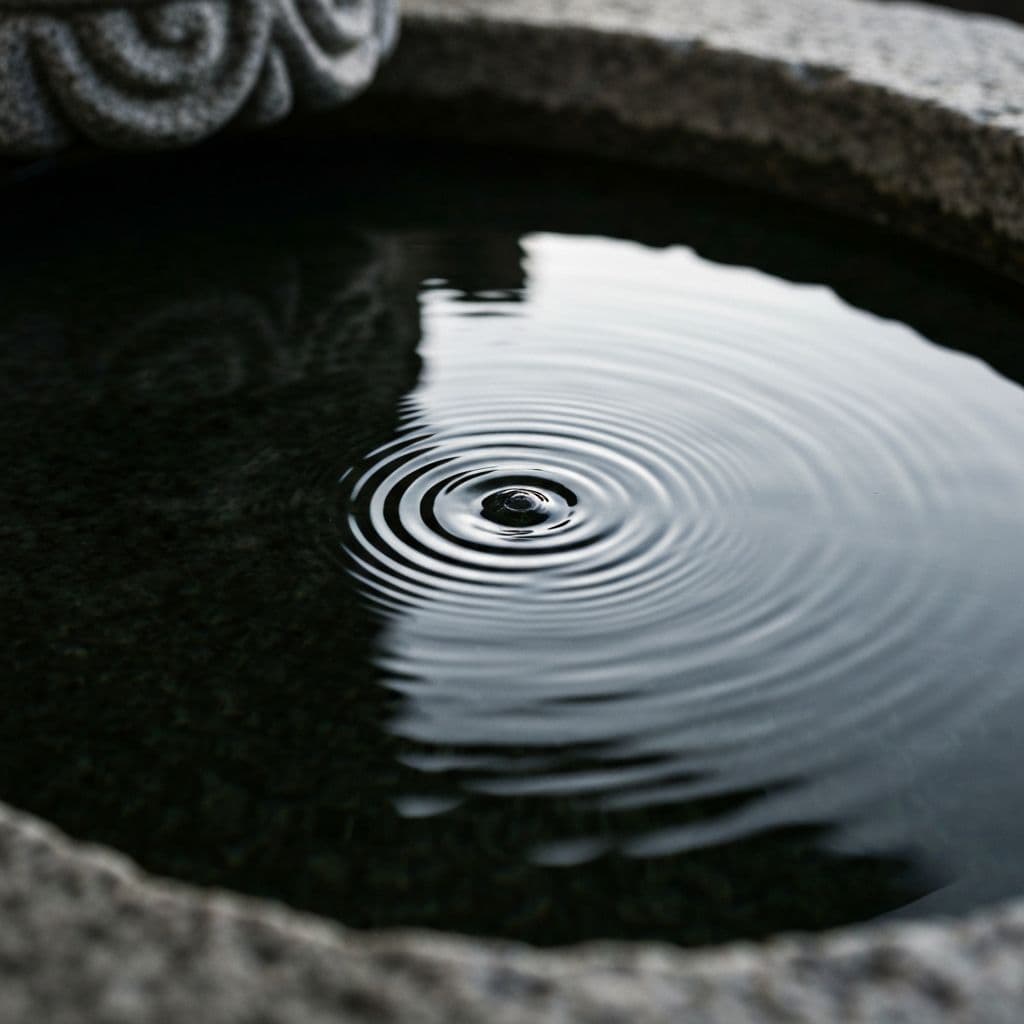
Water
Subtlety over spectacle
Water in our gardens is never a fountain. It's a quiet element -- a stone basin that overflows, a narrow channel that catches rain, a still surface that reflects. The sound of water is non-repeating, which is why it calms the nervous system in ways music cannot.
- Tsukubai-style stone basins for quiet presence
- Recirculating systems with minimal water use
- Sound design: gentle overflow, not spray or splash
- Natural stone surrounds, never tile or composite